The Ingredients Library
Flowers & Tea's


Herbs 🌿
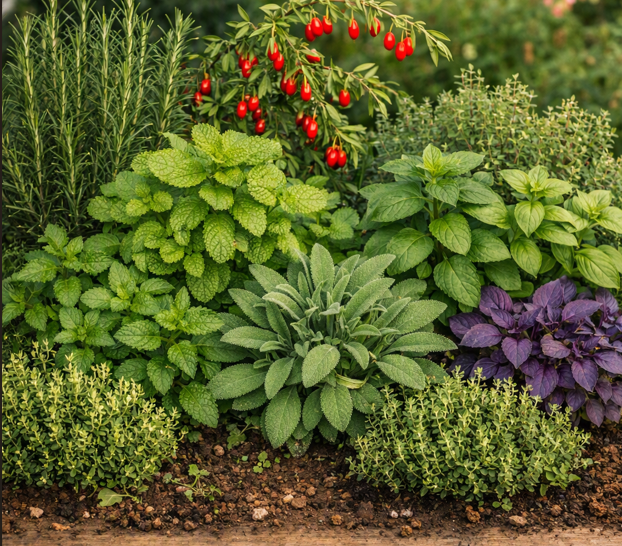
🌿 Lemon Balm (Melissa officinalis)![]() Botanical History A member of the mint family (Lamiaceae), native to the Mediterranean and Western Asia. Used since ancient Greek and medieval European monastic herbalism. Traditional Uses Traditionally brewed as a calming tea and used to promote a sense of ease and gentle digestive comfort. Modern Wellness Framing Forms: teas, tinctures, extracts, fresh leaves. Cautions: very mild; generally well tolerated. |
🌿 Sweet Basil (Ocimum basilicum)![]() Botanical History Native to India and Southeast Asia; sacred in many cultures. Part of the mint family. Traditional Uses Used in Ayurveda and Mediterranean cooking; valued for its aromatic, uplifting nature. Modern Wellness Framing Forms: fresh leaves, dried herb, essential oil. Cautions: essential oil is strong; avoid undiluted use. |
💜 Purple Basil (Ocimum basilicum var. purpurascens)
Botanical History A colorful cultivar of sweet basil with deep purple leaves due to anthocyanins. Traditional Uses Used similarly to green basil but also valued for ceremonial and decorative uses. Modern Wellness Framing
|
🌱 Thyme (Thymus vulgaris)Botanical History A Mediterranean herb used by ancient Egyptians and Greeks for ritual and culinary purposes. Traditional Uses Traditionally used as a warming, aromatic herb in cooking and herbal steams. Modern Wellness Framing Forms: fresh/dried herb, tea, essential oil. Cautions: essential oil is very strong; dilute heavily. |
🌿 Rosemary (Rosmarinus officinalis)
Botanical History Native to the Mediterranean; symbol of memory in ancient Greece and Rome. Traditional Uses Used in cooking, ritual burning, and hair rinses. Modern Wellness Framing Forms: fresh herb, dried herb, essential oil. Cautions: essential oil is potent; avoid near eyes. |
🌱 Peppermint (Mentha × piperita)
![]() Botanical History A natural hybrid of spearmint and watermint, cultivated since the 1700s. Traditional Uses Used as a cooling digestive herb and aromatic steam.
Modern Wellness Framing Forms: tea, essential oil, fresh leaves. Cautions: essential oil should not be used near infants. |
🍊 Orange Mint (Mentha × piperita citrata)
Botanical History A citrus‑scented mint cultivar with origins in European gardens. Traditional Uses Used in teas, desserts, and potpourri for its bright aroma. Modern Wellness Framing: teas, fresh leaves, extracts. Cautions: similar to peppermint. |
🍋 Lemon Mint / Lemon Bee Balm (Monarda citriodora)
![]() Botanical History Native to North America; part of the Monarda genus used by Indigenous peoples. Traditional Uses Used in teas and as a fragrant ceremonial herb.
Modern Wellness Framing: teas, dried leaves, aromatics. Cautions: generally mild. |
🌿 Dill (Anethum graveolens)
![]() Botanical History An ancient herb used in Egypt, Greece, and Rome for culinary and ritual purposes. Traditional Uses Traditionally used to flavor foods and as a gentle digestive herb. Modern Wellness Framing Forms: fresh leaves, seeds, dried herb. Cautions: mild; widely used in food. |
🌾 Sage (Salvia officinalis)
Botanical History
A revered Mediterranean herb; the Latin salvia means “to save.”
Traditional Uses
Used in cooking, teas, and ceremonial smoke.
Modern Wellness Framing
Forms: teas, culinary herb, smudge bundles.
Cautions: essential oil is not for internal use.
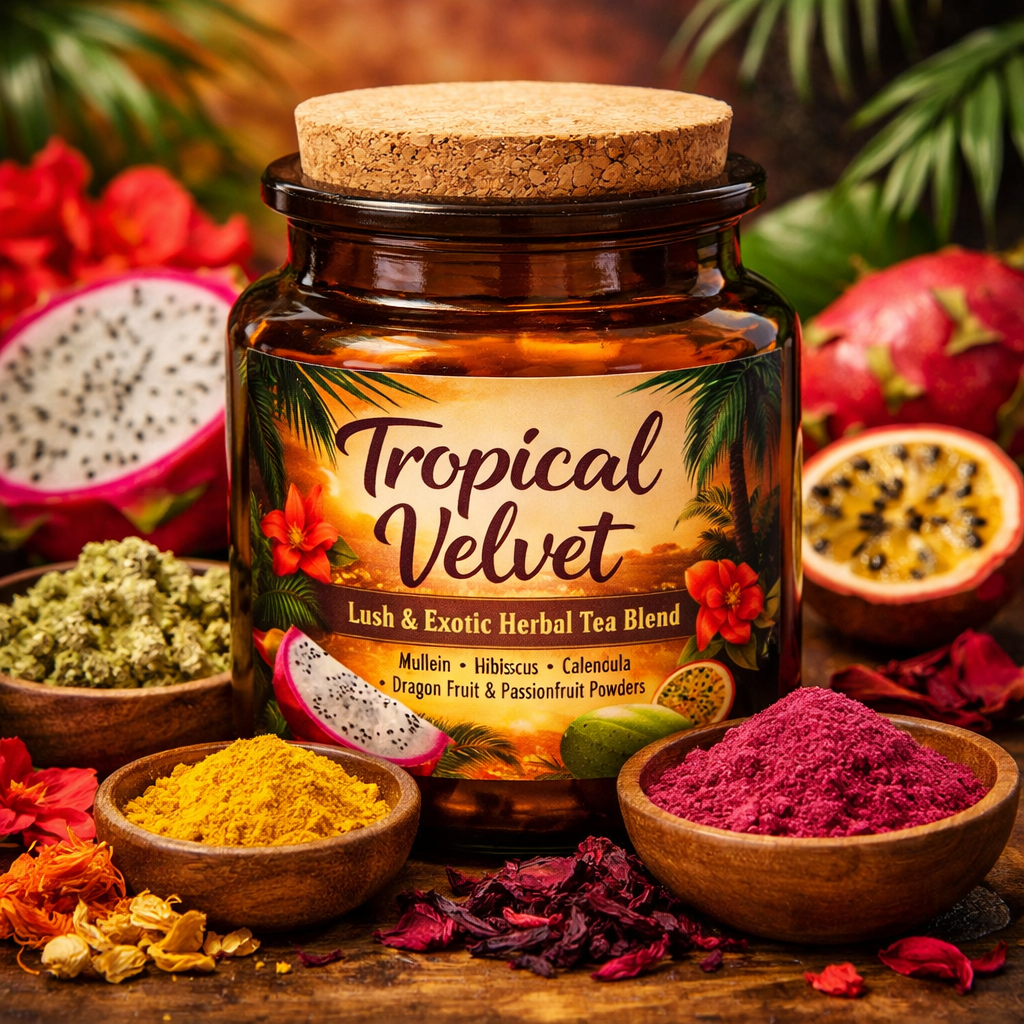
🍃 Mullein (Verbascum thapsus)

Botanical History
A tall biennial native to Europe and Asia; used in traditional European and Appalachian herbalism.
Traditional Uses
Traditionally used as a soothing respiratory herb, often in teas and steams.
Modern Wellness Framing
Forms: teas, tinctures, smoking blends, infused oils.
Cautions: filter teas well; leaf hairs can be irritating.
Roots
🌼 Dandelion Root (Taraxacum officinale)
Botanical Identity
Family: Asteraceae
Parts used: Root (fresh or dried)
Native regions: Europe & Asia; now naturalized worldwide
Botanical History
Dandelion appears in Traditional Chinese Medicine, Ayurvedic texts, and European folk herbalism. Historically valued as a spring tonic and seasonal cleansing herb.
Traditional Uses
Traditionally used as a bitter root tea to support general digestive comfort and seasonal wellness rituals.
Modern Wellness Framing
Common forms: roasted root tea, decoctions, tinctures, powdered root.
General cautions: part of the daisy family; those with sensitivities may avoid.
🌿 Burdock Root (Arctium lappa)
Botanical Identity
Family: Asteraceae
Parts used: Fresh or dried root
Native regions: Europe & Northern Asia
Botanical History
Burdock has a long history in Traditional Chinese Medicine, Japanese cuisine (gobo), and European herbalism. Known for its deep taproot and earthy flavor.
Traditional Uses
Traditionally used as a grounding, earthy root in teas and foods to promote general wellness and internal balance.
Modern Wellness Framing
Common forms: sliced root, decoctions, tinctures, roasted root, culinary gobo.
General cautions: mild; typically well tolerated.
🟠 Ginger Root (Zingiber officinale)
Botanical Identity
Family: Zingiberaceae
Parts used: Rhizome (the “root”)
Native regions: Southeast Asia
Botanical History
Ginger is one of the oldest recorded spices, used in Ayurveda, Traditional Chinese Medicine, and global culinary traditions for thousands of years.
Traditional Uses
Traditionally used as a warming digestive spice, often in teas, broths, and tonics.
Modern Wellness Framing
Common forms: fresh root, dried powder, teas, candies, tinctures.
General cautions: warming; large amounts may be stimulating.
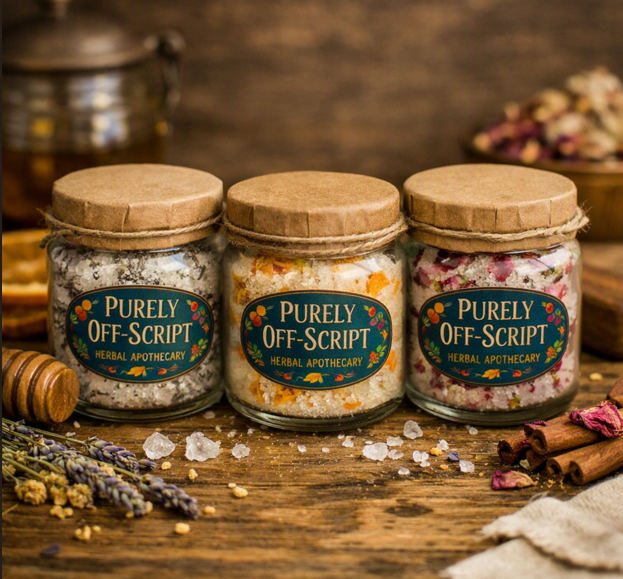
Purely Off‑Script blends are handcrafted in small batches in our home apothecary. These Products are Home Produced, Operating under Ohio Cottage Food Laws.